
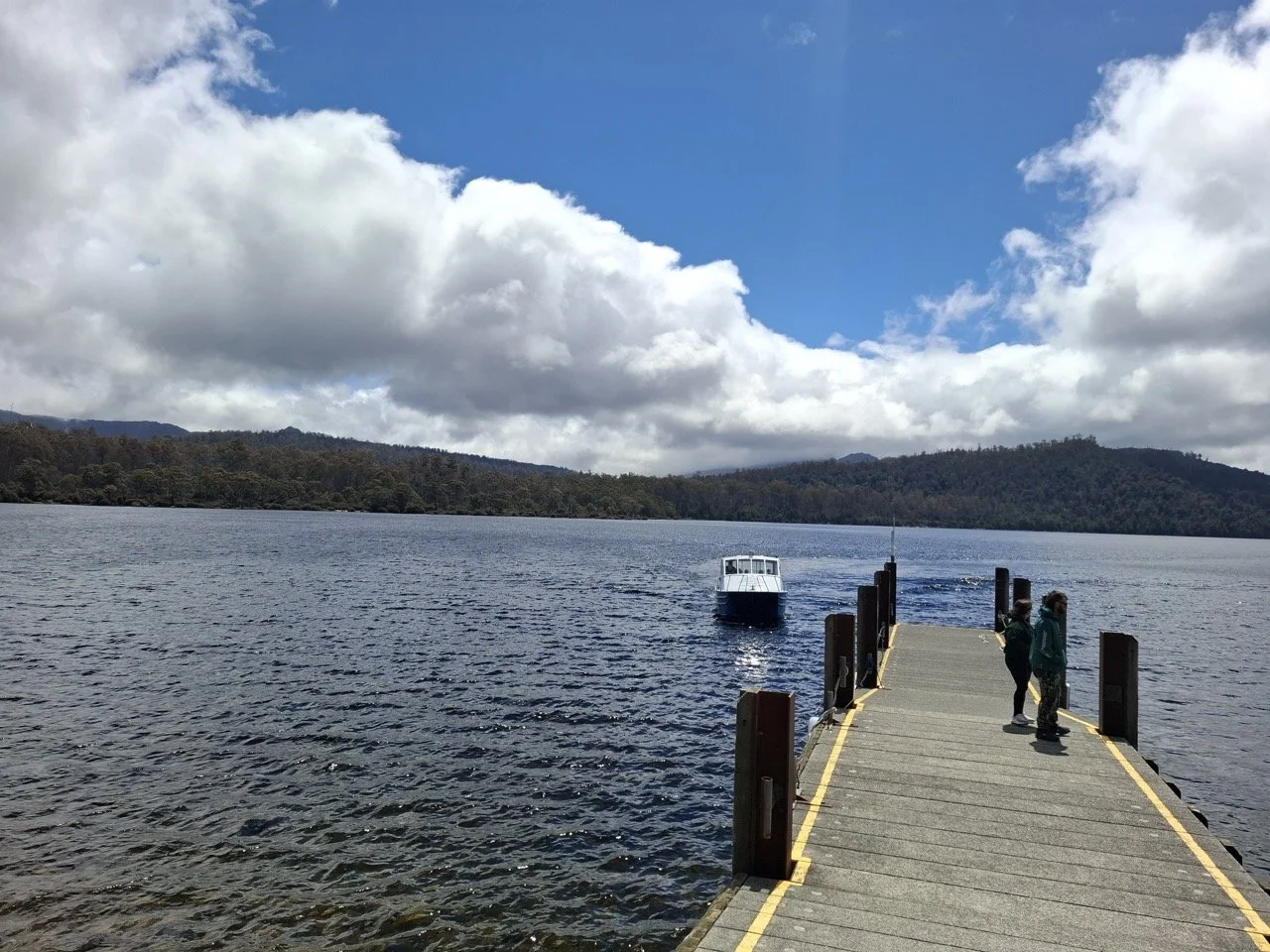
Lake St Clair
Formed by glacial forces during the last Ice Age, Lake St Clair is Australia’s deepest natural freshwater lake. It lies at the southern end of Cradle Mountain-Lake St Clair National Park, amidst a spectacular landscape of ancient forests, sheltered bays and steep mountain peaks.
For walkers, the lake is best known as the southern end of the iconic Overland Track, but you don’t have to commit to a multi-day trek to enjoy the area. A network of shorter trails leads through rainforest, buttongrass plains and eucalyptus forest, while boat cruises provide a leisurely way to appreciate the lake’s natural beauty.
Wildlife is abundant in the area, with wombats, wallabies, echidnas and a variety of birdlife inhabiting the surrounding forests. Cynthia Bay is the main gateway to the park and boasts an informative visitor centre with displays about the formation of the lake and the area’s Indigenous heritage.
Best things to do at Lake St Clair
-
Before heading onto the trails, it's worth spending some time at the Lake St Clair Visitor Centre, where you can learn about the area's geology, glaciation and Aboriginal cultural heritage. Staff can provide up-to-date information about walking conditions and activities in the area. Toilets are available here and there’s a cafe serving hot drinks and light meals.
-
One of the easiest ways to experience the area is to explore the network of shorter trails that begin around Cynthia Bay. The Watersmeet Track follows the Cuvier and Hugel rivers to their meeting point, while the Platypus Bay loop provides opportunities to spot native wildlife (although sightings are never guaranteed). You can also take the Larmairremener tabelti Aboriginal cultural walk, which explores the long connection between Tasmanian Aboriginal people and Lake St Clair.
Together, the three walks can be combined into a 4.7-kilometre circuit that takes around 1.5 hours, beginning and ending at Cynthia Bay. While exploring the lake, keep an eye out for Bennett's wallabies and pademelons, as well as wombats, echidnas and quolls.
-
A cruise across the lake is one of the most relaxing ways to appreciate the surrounding wilderness, with the encircling peaks of Mount Hugel, Mount Olympus, Mount Orthys, Mount Byron and Mount Ida as your backdrop.
The Ida Clair ferry operates between Cynthia Bay and Narcissus Bay at the northern end of Lake St Clair, travelling almost the full length of the lake and taking around 30 minutes. It’s a particularly good way to reach the walking trails that start or finish at Narcissus Hut, such as the Echo Point walk. Ferry bookings are essential.
-
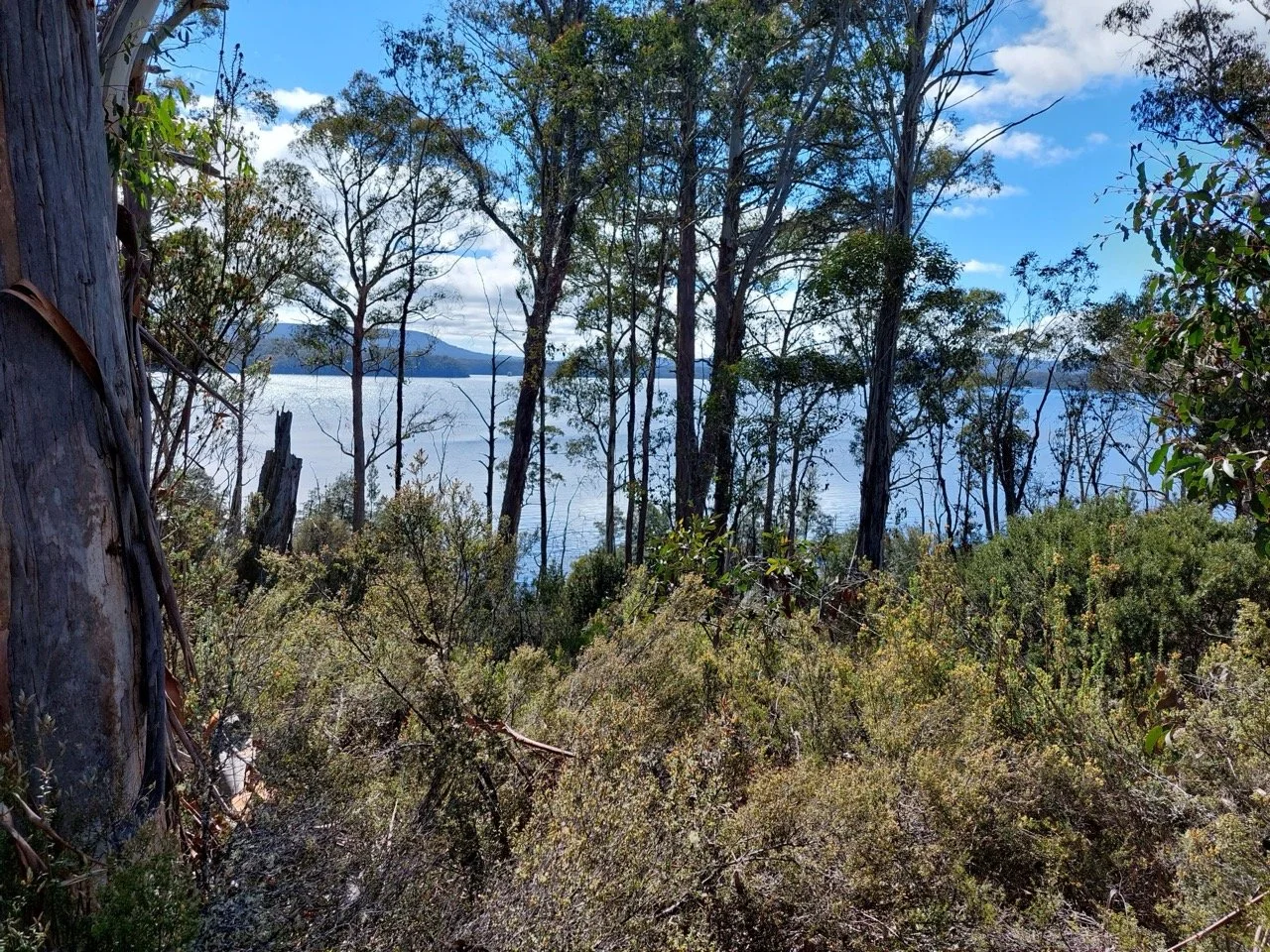
For a longer wilderness experience without committing to the entire Overland Track, the Echo Point walk is a fantastic choice. The route extends for 11 kilometres (one way) through enchanting rainforest and hugs the lake shore for much of the way. Our recommendation is to walk in one direction and return by ferry (or vice versa). Allow around 3–4 hours for the walk itself, plus ferry time.
-
Experienced walkers can tackle the peak of Mount Rufus, a 19-kilometre circuit that takes around seven hours. The trail climbs through eucalypt forest, temperate rainforest and a snow gum-dotted sub-alpine landscape before delivering impressive views across the surrounding peaks and Lake St Clair. While the Mount Rufus trail can be hiked in either direction, we recommend a clockwise route.
-
Another rewarding full-day hike is the Shadow Lake Circuit, which extends for 13 kilometres and takes around four to five hours to complete. The track passes through rainforest, sub-alpine moorland and highland eucalypt forest, providing a wonderful cross-section of the landscapes around Lake St Clair. Tucked beneath Little Hugel, Shadow Lake is a beautiful alpine lake that offers wonderful views of Mount Hugel.
-
For something gentler, the Frankland Beaches Walk is a 6-kilometre return trail that takes around two hours to complete. It follows the edge of the lake through glacial moraines, with interpretive signs explaining how glaciers shaped the landscape. On clear days, you'll also have views towards Mount Rufus, Mount Hugel, Little Hugel, Mount Olympus and the Travellers Range.
Best places to stay at Lake St cLAIR
Luxury Accommodation
Pumphouse Point is an adults-only retreat that occupies a beautifully restored 1930s pumphouse on Lake St Clair. Its signature rooms seemingly float above the water, while the adjoining Shorehouse rooms offer wonderful views across the lake. All of the rooms are luxuriously appointed, with some offering bathtubs and fireplaces. Breakfast and dinner highlighting produce from small-scale local growers is included in rates.
Mid-range Accommodation
Lake St Clair Lodge is located at Cynthia Bay and offers a range of accommodation that includes studio cabins, one-bedroom suites, two-bedroom cottages and larger houses. Many have balconies overlooking the lake and several come with fireplaces and/or spa baths. Some of the rooms feature kitchenettes or fully-equipped kitchens for self-catering.
Derwent Bridge Chalets & Studios is located along the Lyell Highway at Derwent Bridge, just outside the national park. Aside from six self-catering chalets that can accommodate families, there are four smaller studios with kitchenettes and queen or king-single beds. Private or shared laundry facilities are available and the property is within walking distance of the restaurant at Derwent Bridge Wilderness Hotel.
budget Accommodation
Lake St Clair Tourist Park is located at Cynthia Bay, just a short walk from the lake shore and the Lake St Clair Park Centre. It offers powered and unpowered camping sites for tents, caravans and small motorhomes, along with the Drumlin Bunkhouses, which provide basic heated accommodation for two to four guests. Bunkhouse guests have access to a shared kitchen, while campers can use the camp kitchen, shared bathrooms, hot showers and laundry facilities.